
GS Honorary Chairman Huh Chang-soo Receives Only a Warning After Three Years of Affiliate Omissions…Omitted Company Engaged in Collusion for Six Years While a GS Affiliate
English translation of the original Korean report. Images and source documents may contain Korean text.
Violation Punishable by Imprisonment or a Fine, but Likelihood of Awareness Deemed ‘Minor’…Collusion Fine Reduced Because Company Was a ‘Small or Medium-Sized Enterprise’
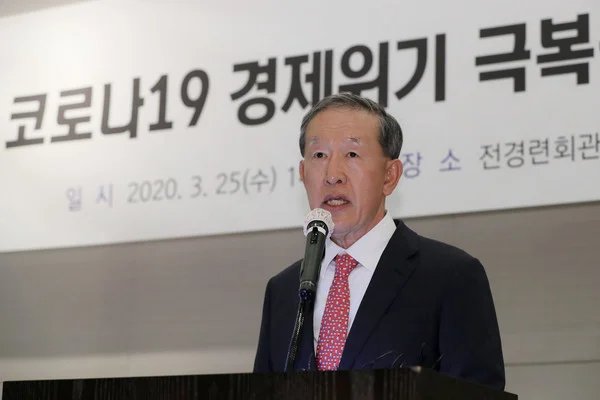
Huh Chang-soo, honorary chairman of GS Group, received only a warning from the Korea Fair Trade Commission (KFTC) despite omitting two affiliates from the group’s list of companies over a three-year period.
J-Tech, a chemical company based in Changwon that was omitted from the list, engaged in collusion with competitors for six years while it was a GS affiliate. The fine imposed for that collusion was reduced on the grounds that the company was a small or medium-sized enterprise.
According to a KFTC decision reviewed on the 18th, the commission’s First Subcommittee voted on February 10 to issue a warning over Huh’s submission of false group designation materials. These materials, submitted by the head of a business group (the designated same person) when the KFTC designates large business groups, contain information on affiliated companies, relatives and shareholders. Responsibility for submitting the materials rests with the group head personally.
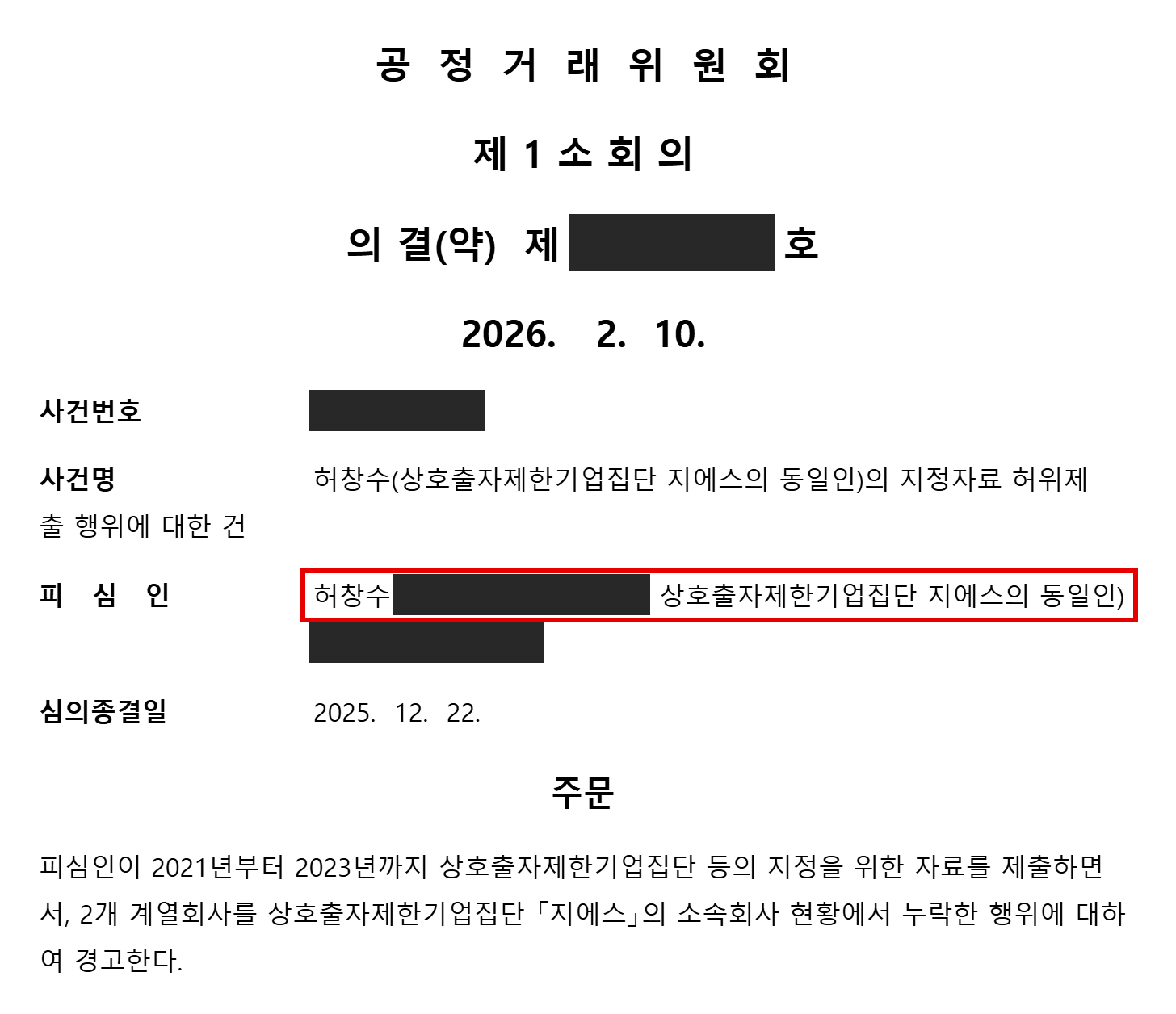
Huh omitted J-Tech from GS’s list of affiliated companies in materials submitted from 2021 to 2023, as well as a newly established company of the same name in Ulsan from the 2022 materials. From December 31, 2016, to July 9, 2023, J-Tech’s largest shareholder was an individual surnamed Lee, an executive of GS affiliate Chemtech International, who held approximately 55% of its shares. A company also qualifies as an affiliate if an executive of an affiliated company is its largest shareholder with a stake of at least 30%.
Submitting false group designation materials is an offense punishable by up to two years in prison or a fine of up to 150 million won. However, the KFTC deemed Huh’s likelihood of awareness of the omissions to be ‘minor,’ noting that the omitted companies were personally owned by an executive of an affiliated company rather than by the group head or his relatives, and that they had no shareholding, business transaction, guarantee or financing relationships with GS. The commission therefore concluded the matter with a warning. On October 14 last year, before the hearing, Huh acknowledged the conduct and accepted the warning.
The executive had worked with the Huh family for 23 years. In 2000, Lee co-founded Chemtech International as a co-CEO alongside Huh Kwang-soo, chairman of Samyang International and a cousin of Huh Chang-soo, and remained an executive until July 2023. Chemtech International is 77% owned by members of the Huh family, including Suh-hong Hur, CEO of GS Retail, who holds a 50% stake.
■ Omitted Large-Business-Group Affiliate Receives ‘SME’ Reduction on Collusion Fine
On September 3, 2024, J-Tech was fined 179 million won for collusion involving liquid cobalt catalysts. Three domestic manufacturers of the catalysts, which are used in producing raw materials for polyethylene terephthalate (PET), began allocating customers among themselves and jointly raising prices in January 2015. In November 2020, they coordinated their quoted prices with the aim of increasing prices by $70 to $110 per metric ton.
The collusion did not stop until January 18, 2023, when the KFTC conducted an on-site investigation. One month later, J-Tech was still absent from the GS affiliate list in the 2023 group designation materials requested by the KFTC. Lee stepped down as an executive of Chemtech International on July 10, 2023, approximately six months after the on-site investigation.
In its collusion decision, the KFTC stated that most of the customers belonged to large business groups and that ‘the respondents, being small or medium-sized enterprises, were at a disadvantage in price negotiations.’ The commission reduced the fines on the grounds that the companies were small or medium-sized enterprises. The Framework Act on Small and Medium Enterprises excludes companies belonging to business groups subject to cross-shareholding restrictions from the definition of small or medium-sized enterprises. Although J-Tech had already ceased to be a GS affiliate by the time of the decision, the collusion decision made no mention of the fact that it had belonged to a large business group for most of the collusion period.
Huh is GS’s largest shareholder, holding a 4.68% stake, while his combined stake with related parties amounts to 53.13%. GS Group also received a warning from the KFTC in April this year after its holding company, GS Energy, held stakes exceeding 5% in 15 unaffiliated domestic companies.
In its work plan for the second half of the year, announced in August, the KFTC said it would pursue legislative amendments to impose administrative fines on individual business group heads who omit affiliates from their filings. It also issued advance notice of proposed amendments to its criminal referral guidelines that would require referral to prosecutors when the same violation is repeated within the preceding three years.