
GS Caltex Posts 1 Trillion Won in Profit Amid Refining Boom, but Hydrogen Business Results Remain Unclear—What Happened to Vice Chairman Saehong Hur’s 2024 Completion Target?
English translation of the original Korean report. Images and source documents may contain Korean text.
Operating Record of 10,000-Ton Annual-Capacity Liquefied Hydrogen Facility Announced in 2021 Remains Unclear…Yeosu Hydrogen Hub Also Targets Site Completion in 2027
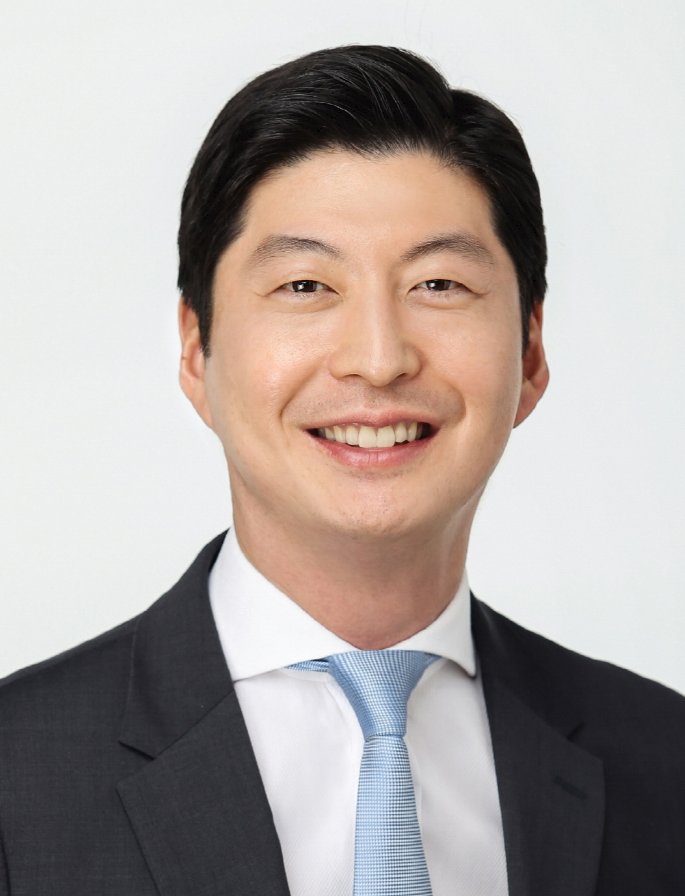
Five years have passed since the hydrogen business championed by GS Caltex Vice Chairman and CEO Saehong Hur as a future growth engine began gaining momentum, yet the commercial operating record of the liquefied hydrogen production facility originally targeted for completion in 2024 remains unclear.
According to official announcements by GS Caltex and Korea Gas Corporation (KOGAS) cited on the 23rd, the two companies signed a memorandum of understanding on May 28, 2021, and announced plans to build a liquefied hydrogen production facility with an annual capacity of 10,000 tons at a KOGAS LNG receiving terminal by 2024.
At the time, Hur, now vice chairman, outlined a vision of combining the capabilities of the two companies to lead the hydrogen market, while plans were also made to develop fueling infrastructure to supply liquefied hydrogen to the Seoul metropolitan area and central regions of the country.
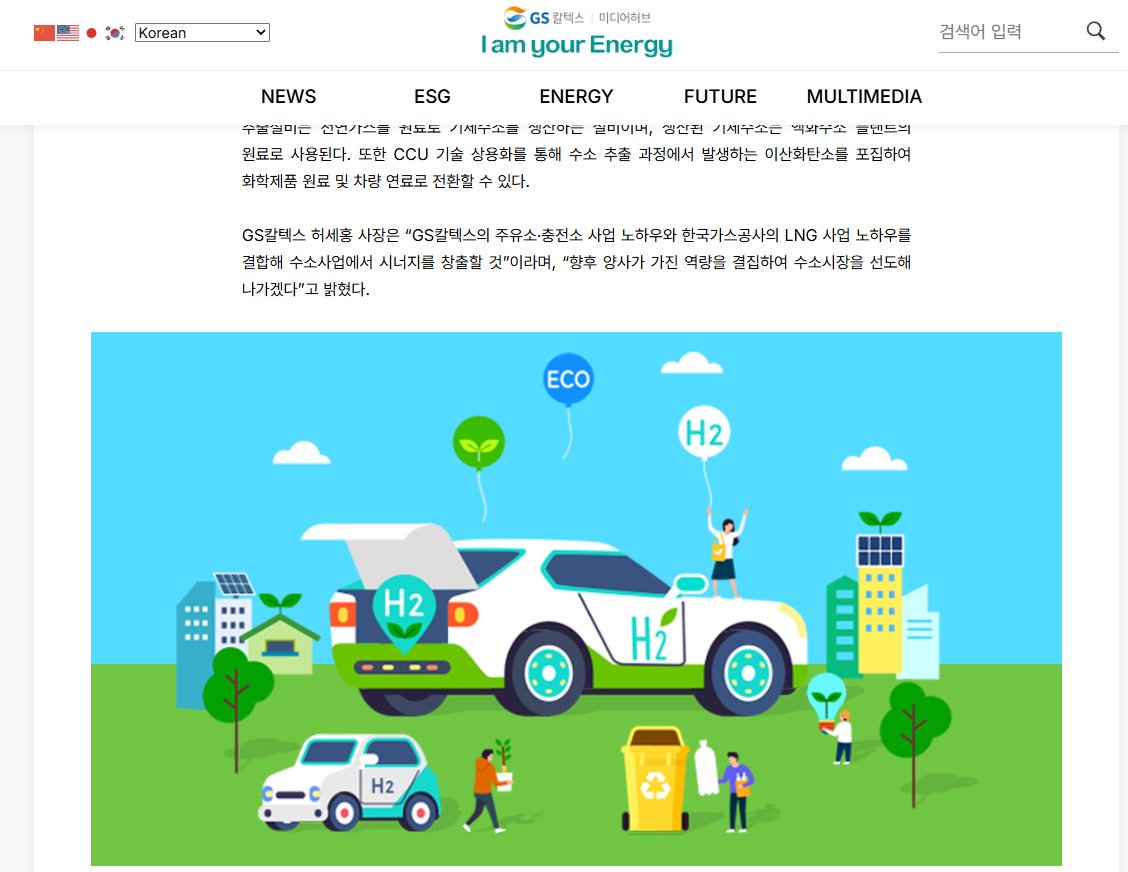
However, as of November this year, five years after the initial announcement, publicly available materials do not establish whether the facility has been completed or how much hydrogen it has actually produced, raising questions about the project’s progress.
Meanwhile, GS Caltex reported consolidated third-quarter revenue of KRW 17.7641 trillion and operating profit of KRW 1.1447 trillion in results announced on the 5th, with operating profit increasing 208% from the same period a year earlier.
Strong refining margins and improved profitability in the lubricants business supported the earnings performance, but it remains unconfirmed whether the strong performance of the company’s existing businesses has translated into progress toward commercialization of its hydrogen business.
■ Yeosu Hydrogen Hub Also Targets Site Completion in 2027…Separate from Carbon Capture Commercialization
In June 2024, GS Caltex signed a land purchase agreement with the Yeosu Gwangyang Port Authority for an approximately 250,000-square-meter site at the Yulchon Convergence Logistics Complex and began pursuing the construction of hydrogen production, power generation and carbon capture facilities.
According to a plan released by the Gwangyang Bay Area Free Economic Zone Authority in January of last year, the logistics complex is being developed with a target completion date of 2027, after which construction of hydrogen production, power generation and carbon capture-related facilities is expected to take approximately three years.
Separately, GS Caltex is pursuing a project with DIG Airgas to recover carbon dioxide generated during the hydrogen manufacturing process and utilize it as liquid carbon dioxide, forecasting that commercialization in July 2027 will reduce greenhouse gas emissions by approximately 127,000 tons annually.
Because this project falls under carbon capture and utilization (CCU) and is distinct from the commercial production of blue hydrogen itself, the progress of the original liquefied hydrogen facility and the actual production commencement schedule of the Yeosu hydrogen hub are expected to serve as key benchmarks for assessing the results of the hydrogen business outlined by Vice Chairman Hur.
Meanwhile, Vice Chairman Saehong Hur is the eldest son of Hur Dong-soo, Honorary Chairman and former chairman of GS Caltex, and a fourth-generation executive of GS Group’s founding family. He became CEO of GS Caltex in 2019 and was promoted to vice chairman in GS Group’s regular executive reshuffle for 2026, announced on November 26, 2025.
GS Caltex is a joint venture owned equally by GS Energy, a wholly owned subsidiary of the holding company GS Corp., and Chevron-affiliated interests of the U.S. energy company Chevron, each holding a 50% stake. A gap in publicly available information remains between the original completion target for the liquefied hydrogen production facility announced during Hur’s tenure as CEO and the facility’s actual commercialization status.