
Lotte Department Store fails to prevent expiration-date violations despite penalty… This time, a three-year-old drank expired milk
English translation of the original Korean report. Images and source documents may contain Korean text.
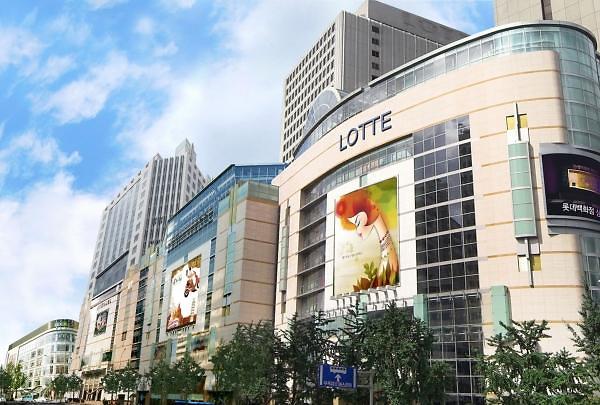
Jeonju branch caught using pepper more than two months past its expiration date at a food counter in 2007
Food management failures recur despite 2023 pledge to conduct comprehensive inspections and strengthen oversight
Lotte Department Store says it conducts ‘secondary inspections’ but provides no answer on pre-sale inspection records
Lotte Department Store, headed by CEO Jung Hyun-seok, was ordered to pay a financial penalty for selling expired food and pledged to strengthen product management, but the same problem has recurred just over three years later.
This time, milk four days past its expiration date was sold at the Jeonju branch’s food section and consumed by a three-year-old child. The same branch was also caught using expired food during an inspection in 2007.
According to industry sources on the 25th, the child’s guardian purchased a Seoul Milk product at the food section of Lotte Department Store’s Jeonju branch at around 3 p.m. on the 14th. The expiration date printed on the product’s container was November 10.
The guardian said they noticed the expiration date while the child was drinking the milk, immediately stopped the child from consuming it, and subsequently sought medical attention for the child at a hospital. On the 17th, the guardian filed a complaint through e-People, attaching supporting evidence, including photographs of the product.
According to a recording of a telephone conversation between the guardian and the department store, a food department representative at the Jeonju branch explained that Seoul Milk was responsible for everything from receiving and displaying products to first-in, first-out stock rotation, while the department store was responsible for inspections. Lotte Department Store also said in an official statement that it operated a two-stage inspection system involving primary inspections by the brand and secondary inspections by the department store. Despite this system, it failed to prevent the sale of expired milk.
During compensation negotiations, the department store initially offered the guardian KRW 200,000 and subsequently increased the amount to KRW 500,000 after the initial offer was rejected. The guardian said they rejected both offers and had received no further contact from either Lotte Department Store or Seoul Milk.
■ Jeonju branch caught in 2007, tighter controls pledged in 2023… A consumer again discovers the violation
This is not the first expiration-date violation at Lotte Department Store’s Jeonju branch. In February 2007, during a joint inspection conducted by Jeonju City and consumer organizations, the branch was caught using pepper more than two months past its expiration date (November 28, 2006) at a basement food counter and failing to display the countries of origin of agricultural products.
In April 2023, it also emerged that the Konkuk University Star City branch in Gwangjin-gu, Seoul, had been ordered to pay a financial penalty for selling expired food. At the time, Lotte Department Store said it would strengthen product management through measures including comprehensive inspections. Just over three years later, however, it was again a consumer, rather than the department store, who discovered an expired product.
In an official statement, Lotte Department Store said, “Following the reporting of the incident, we completed checks of the use-by dates of all products, including the product in question.” It added, “We plan to strengthen our inspection system to ensure more thorough product management, including ongoing comprehensive inspections by professional hygiene managers.”
However, the statement did not provide specific explanations regarding pre-sale inspection records, procedures for overseeing Seoul Milk, criteria for determining compensation amounts, or changes to inspection procedures since 2023.
Meanwhile, Lotte Shopping, which operates Lotte Department Store, had 30 department stores as of the end of September this year, including two stores operated under entrusted management arrangements. Lotte Shopping’s largest shareholder is Lotte Corporation, which holds a 40.00% stake, while Lotte Group Chairman Shin Dong-bin also directly holds a 9.09% stake in Lotte Shopping.