
English translation of the original Korean report. Images and source documents may contain Korean text.
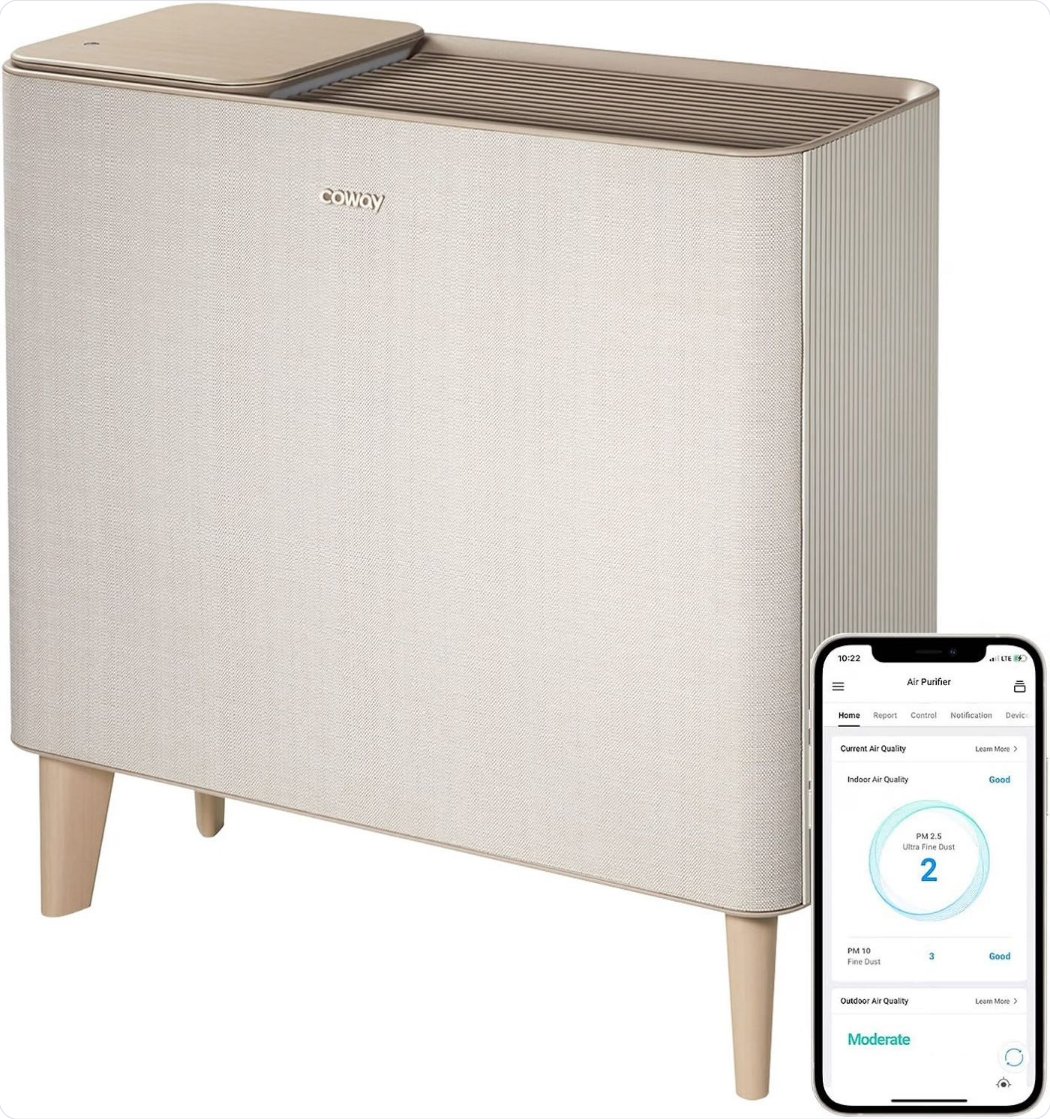
A case has emerged in which a Coway Airmega IconS air purifier accepted a substituted certificate used to verify a server’s identity during initial setup. The developer who conducted the experiment subsequently adjusted the air purifier’s fan speed through a home server without routing commands through Coway’s servers.
According to records published by software developer Scott J. Goldman, as reviewed on the 16th, he released the results of an experiment involving one Airmega IconS (AP-1022K) unit that he owned on the 11th. During initial setup, the air purifier downloaded a ‘root certificate,’ which serves as the basis for determining whether the server it communicates with can be trusted, over unencrypted HTTP. Goldman said the device accepted the certificate even after he replaced it while operating within a network under his control.
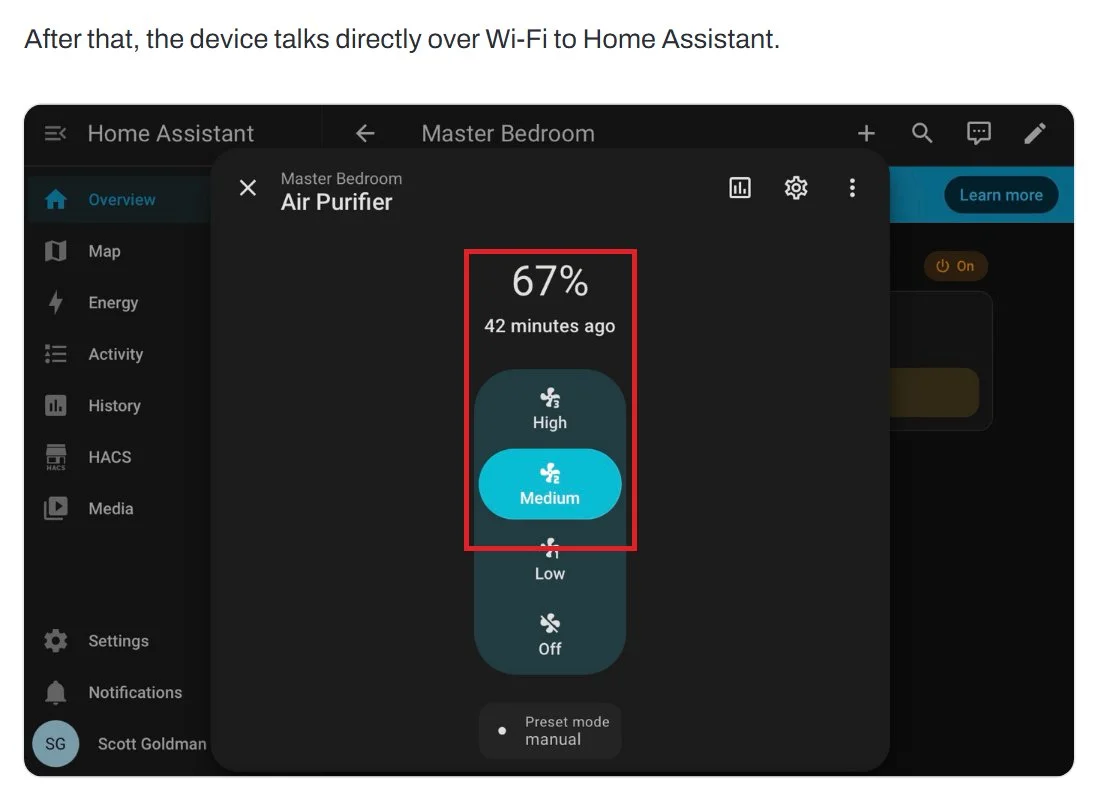
Goldman subsequently implemented a separate configuration that allowed the air purifier to connect directly to a server in his home. A Home Assistant screen he published displayed the air purifier’s fan speed at 67%.
■ Coway Says Physical Button Press Required for Connection, but Does Not Explain Certificate Verification Method
During a telephone conversation with this publication on the 16th, Coway explained that users must physically press a button on the product to initiate a Bluetooth connection with a nearby device during initial setup. According to the company, a third party cannot arbitrarily connect remotely to a product that is already connected to another user.
In an official statement sent to this publication, Coway described the incident as a case in which Goldman bypassed security procedures while connecting his own device. The company said it had found no cases to date of other customers’ products being controlled without authorization or personal information being leaked. It also stated that the incident was unrelated to any hacking of its servers or leakage of internal information.
Pressing the product’s button is necessary to initiate the initial connection. How the air purifier verifies a certificate it downloads after the connection process begins is a separate issue. Coway did not explain why the device accepted the substituted certificate or how it verifies a certificate’s authenticity.
Goldman’s project documentation also records tests involving three Airmega 250S (AP-1720G) units, in which sensor readings were received by a home server and reconnection was confirmed. The documentation contains no experimental results showing that the 250S also accepted a substituted certificate.
In South Korea, the Korea Internet & Security Agency (KISA) separately evaluates identity verification, encryption, updates and technical support under its Internet of Things (IoT) device security certification program. Overseas, Philips Lighting was notified of a potential security issue affecting its Hue smart-lighting products, addressed the issue and advised users to update the app. The United Kingdom requires manufacturers of consumer connectable devices to disclose the minimum period for which security updates will be provided.
Coway stated, ‘We identified areas requiring security improvements during the initial Wi-Fi connection process of our IoT products and are implementing security updates.’ However, the company did not disclose how it plans to change its certificate verification method, whether products sold or rented in South Korea are included, or when existing customers will be able to receive the updates.