
U.S. Court Grants Apple’s Request to Issue Letter Seeking Judicial Assistance for Samsung Electronics’ Internal Cloud Documents
English translation of the original Korean report. Images and source documents may contain Korean text.
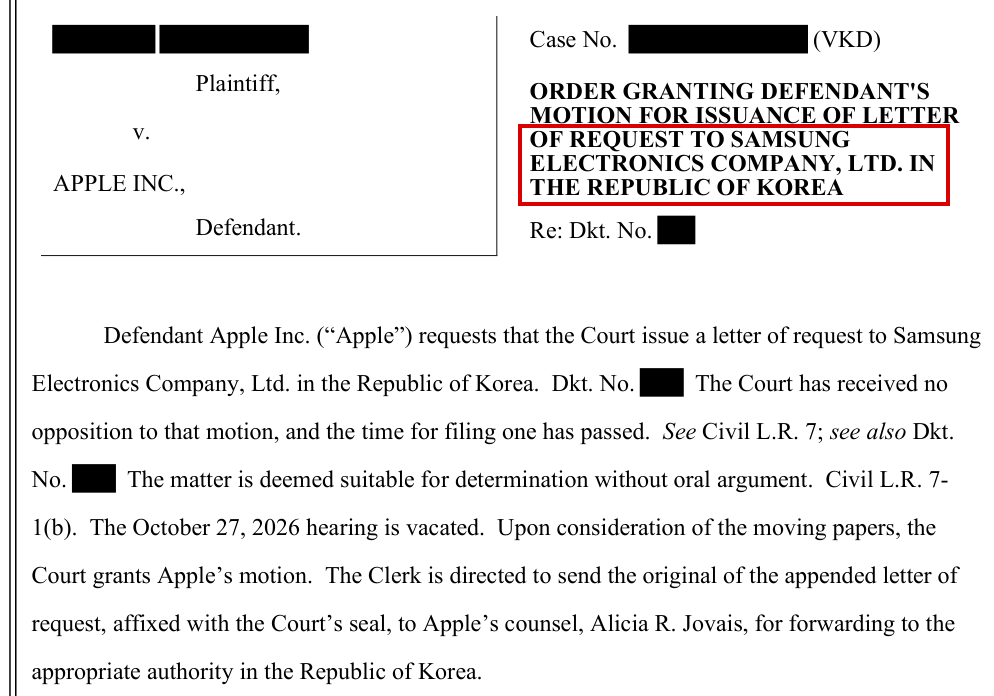
A U.S. consumer sued Apple, alleging that its policy requiring certain iPhone data to be backed up exclusively to Apple’s iCloud service restricts competition. Apple, the defendant, requested internal documents from Samsung Electronics to obtain information for comparing the backup methods used by Galaxy devices.
According to a ruling by the U.S. District Court for the Northern District of California reviewed on the 15th, the court granted Apple’s application on October 1 to issue a letter requesting judicial assistance to obtain documents from Samsung Electronics. The court directed that the process of seeking assistance from South Korea proceed through Apple’s legal counsel. The letter identified South Korea’s National Court Administration as its recipient.
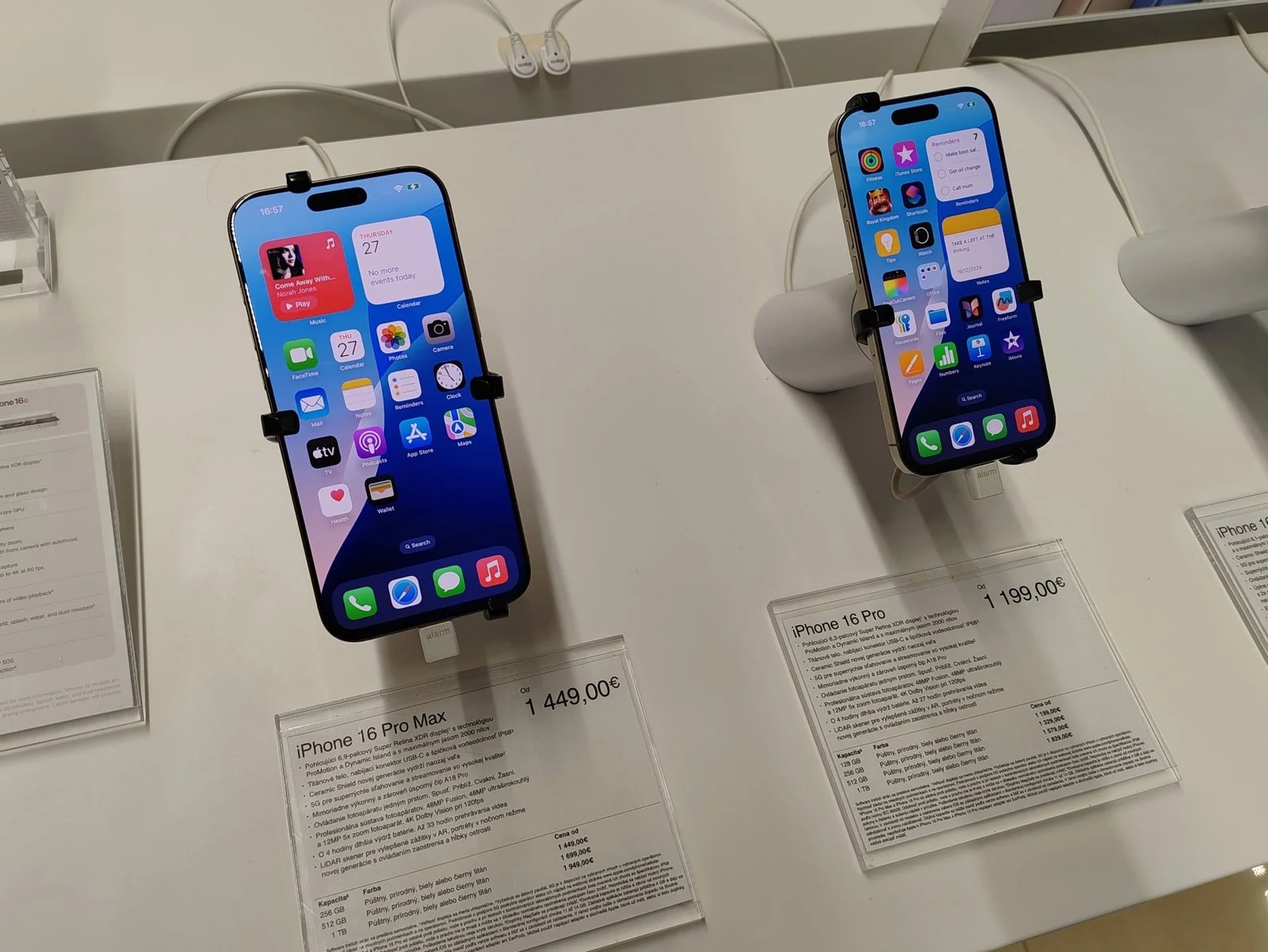
At issue in the lawsuit, which began in March 2024, is the difference between how photos and app data can be backed up. While photos can also be stored on other cloud services, the plaintiffs argue that consumers must use iCloud to back up app data and device settings to the cloud, limiting their choices. Apple has explained that security is the reason it restricts access to certain files.
Samsung Electronics became involved because the plaintiffs cited Galaxy devices as a point of comparison. The plaintiffs argued that Samsung Electronics has allowed device backups to external services while operating its own cloud service, and that it is necessary to examine whether Apple’s restrictions are essential for security. The documents requested by Apple include internal policies and security assessments that could establish which files Samsung Electronics actually made accessible to external services.
■ Six Years of Backup Policies and Review of OneDrive Transition
Apple requested documents showing the types of data that could be backed up and restored through Samsung Cloud and external services as of January 1 of each year from 2021 through 2026. Its requests also included internal documents reviewing the discontinuation of photo and video backups and the transition to Microsoft OneDrive, as well as assessments of the security implications of allowing external services to access files.
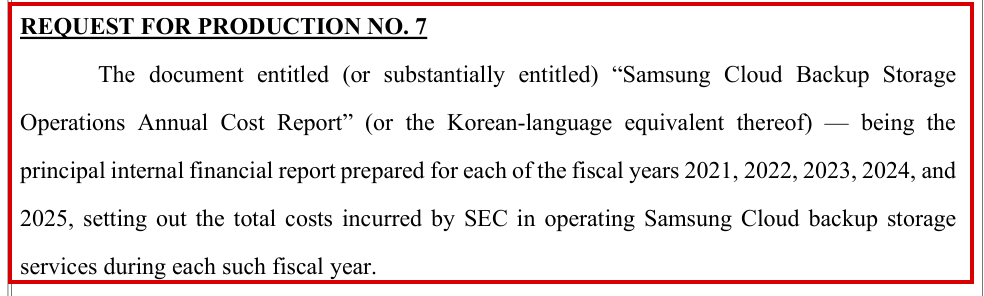
The list of requested materials also included Samsung Cloud backup operating cost records for fiscal years 2021 through 2025 and market share analyses for fiscal years 2021 through 2024. It also covered documents examining whether Samsung Cloud could be offered to iPhone and iPad users and materials analyzing file access restrictions in Apple’s operating systems.
The U.S. court’s decision authorized the procedure for requesting assistance from South Korea in obtaining evidence. Public records do not establish whether South Korea’s National Court Administration has received the request or whether Samsung Electronics has submitted the documents.
On November 12, the U.S. court directed Apple to produce any existing reports showing how extensively competing cloud applications are used. The plaintiff sought the materials to determine how many devices use competing applications on iPhones.
Apple had previously filed a motion for summary judgment on November 5, asking the court to rule without a full trial. The court has not yet determined whether Apple’s policy of allowing certain data to be backed up exclusively to iCloud violates antitrust law.